
Preventing Gum Recession
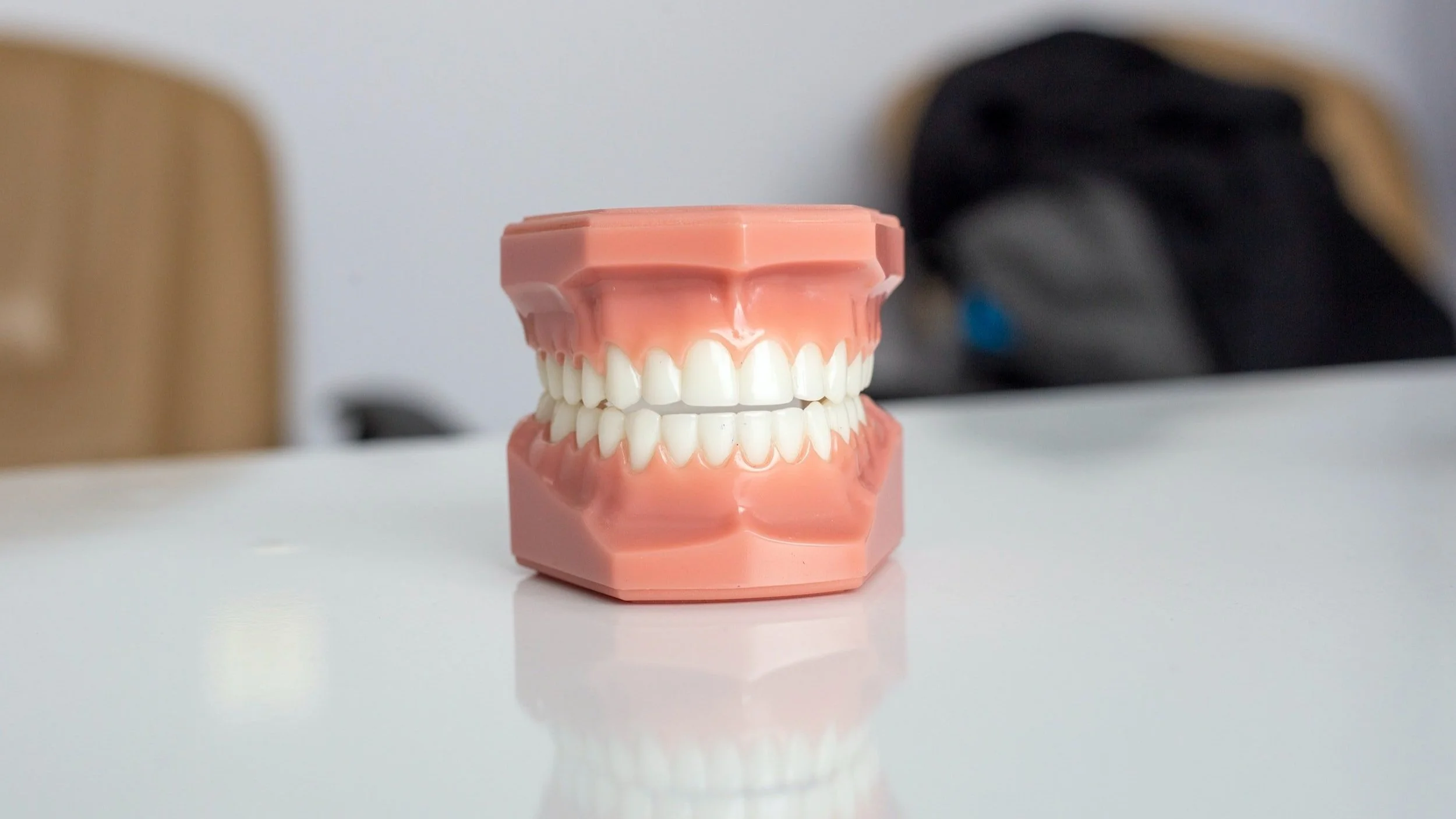
The health of our gums is easy to overlook because our pearly white teeth are always vying for the limelight. However, just like a building’s foundation is essential for it to stand the test of time, so too are our gums an imperative part of supporting a long-term, healthy and happy smile.
That means caring for our gums is a top priority.
In this blog, we’ll review what gum recession is, what causes it, how to avoid it, and even how to regenerate damaged or receded gums.
What is gum recession?
Gum (or gingival) recession occurs when the gums wear away or pull back from teeth, exposing more of the tooth, and even the root of the tooth itself. Along with affecting the look of your smile, receding gums form gaps or “pockets” between the teeth and gums which open the door for disease-causing bacteria—like plaque—to form.
If these pockets are left untreated, that plaque can degrade surrounding tissues and bone structure, and eventually lead to tooth and even bone loss.
Signs of gum recession
Because gum recession occurs gradually, it can be challenging to detect the early stages of gum recession.While it may be hard to spot a slowly receding gum line, the symptoms of receding gums are much more obvious. These include:
Sensitive teeth
One or more teeth look “longer” than normal
A notch is felt near the gum line
What causes gums to recede?
A number of factors can cause gum recession, including:
Poor dental hygiene
Brushing too hard
Clenching grinding teeth
Misaligned bite or crooked teeth
Lip or tongue piercings
Periodontal disease (like gingivitis or periodontitis)
Genes and getting older
Treating gum recession
The first step is to deep clean, otherwise known as teeth scaling and root planing. This procedure eliminates plaque and tartar buildup on both the teeth and root surfaces below the gum line. The exposed root area is then smoothed to inhibit bacteria from regrowing. Antibiotics may also be administered to eliminate any remaining harmful bacteria.
If gum pockets are too deep, or if bone degradation is too far advanced, cleaning may not be possible. In this case, surgery (such as flap surgery and bone grafting) may be required to repair the damage.
How to prevent receding gums
Along with a nutritious diet and drinking plenty of water, the best action you can take to avoid gum recession is to take care of your oral health. This means brushing and flossing regularly, and routinely scheduling dental cleanings and check-ups—and never ignoring the signs of receding gums.
When in doubt, contact your friendly neighbourhood dental professional for a gum check-up to make sure they’re happy, healthy and supporting your teeth how they should.