
What Thumb Sucking and Pacifiers Mean for Your Child's Teeth
It's one of the most natural things a baby can do — but timing matters.
Sucking is a natural reflex. It soothes infants, reduces anxiety, and helps babies feel secure. For most children, thumb sucking and pacifier use are perfectly harmless in the early years. The concern arises when the habit continues as the jaw grows and permanent teeth begin to develop.
Why it becomes a problem over time
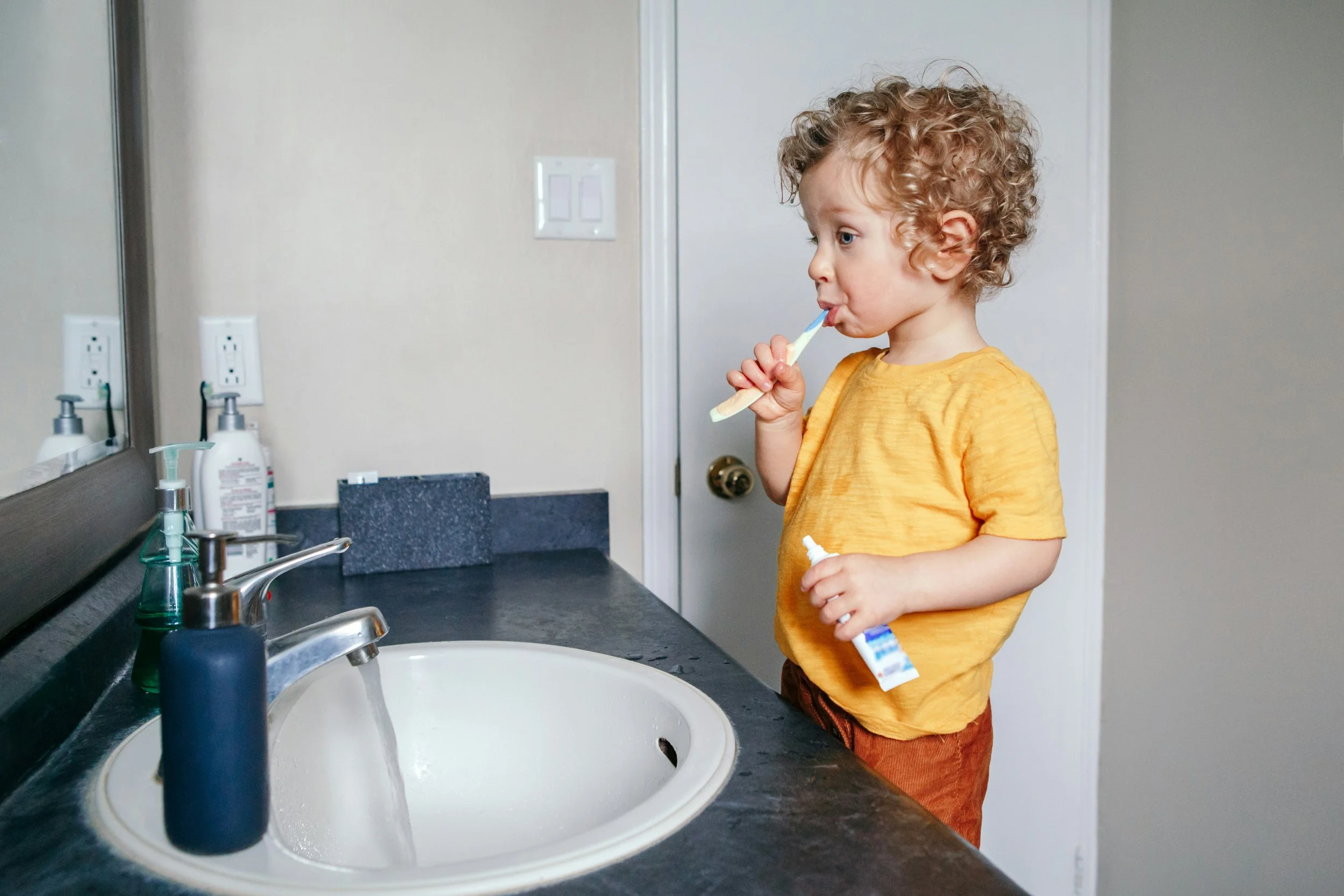
Up until around age three, most dental effects from sucking habits are considered reversible. The primary teeth are still in place, and the jaw retains enough flexibility to self-correct once the habit stops. But if thumb sucking or pacifier use continues beyond age four, particularly into the years when permanent teeth start to emerge, the persistent pressure can begin to reshape the developing jaw.
The dental effects to watch for
Prolonged sucking habits can lead to a range of orthodontic issues:
Open bite — where the upper and lower front teeth don't meet when the mouth is closed
Overjet — where upper front teeth are pushed forward, commonly called "buck teeth"
Narrowing of the palate — the roof of the mouth becomes arched, affecting how teeth fit together and how the child breathes
Crossbite — where upper teeth sit inside lower teeth due to palate narrowing
The intensity of the habit matters too. A child who passively rests a thumb in their mouth causes less disruption than one who sucks with vigorous force.
When to act and how
Most children give up these habits naturally between the ages of two and four. If the habit persists, gentle positive reinforcement tends to be more effective than pressure or punishment. Dental appliances can also help break the cycle if behavioural approaches aren't working.
If you're unsure whether your child's habit is affecting their development, an early dental exam can offer real peace of mind.