
Teeth Grinding (Bruxism): Signs and Solutions
Many people grind their teeth without ever knowing it. Often happening during sleep, bruxism can cause significant damage long before you notice anything is wrong — making early detection essential.
What Is Bruxism?
Bruxism is the clinical term for grinding, clenching, or gnashing your teeth. It comes in two forms: sleep bruxism, which occurs at night, and awake bruxism, a daytime habit most often triggered by stress. It's far more common than most people realize, affecting both adults and children.
Signs and Symptoms to Watch For
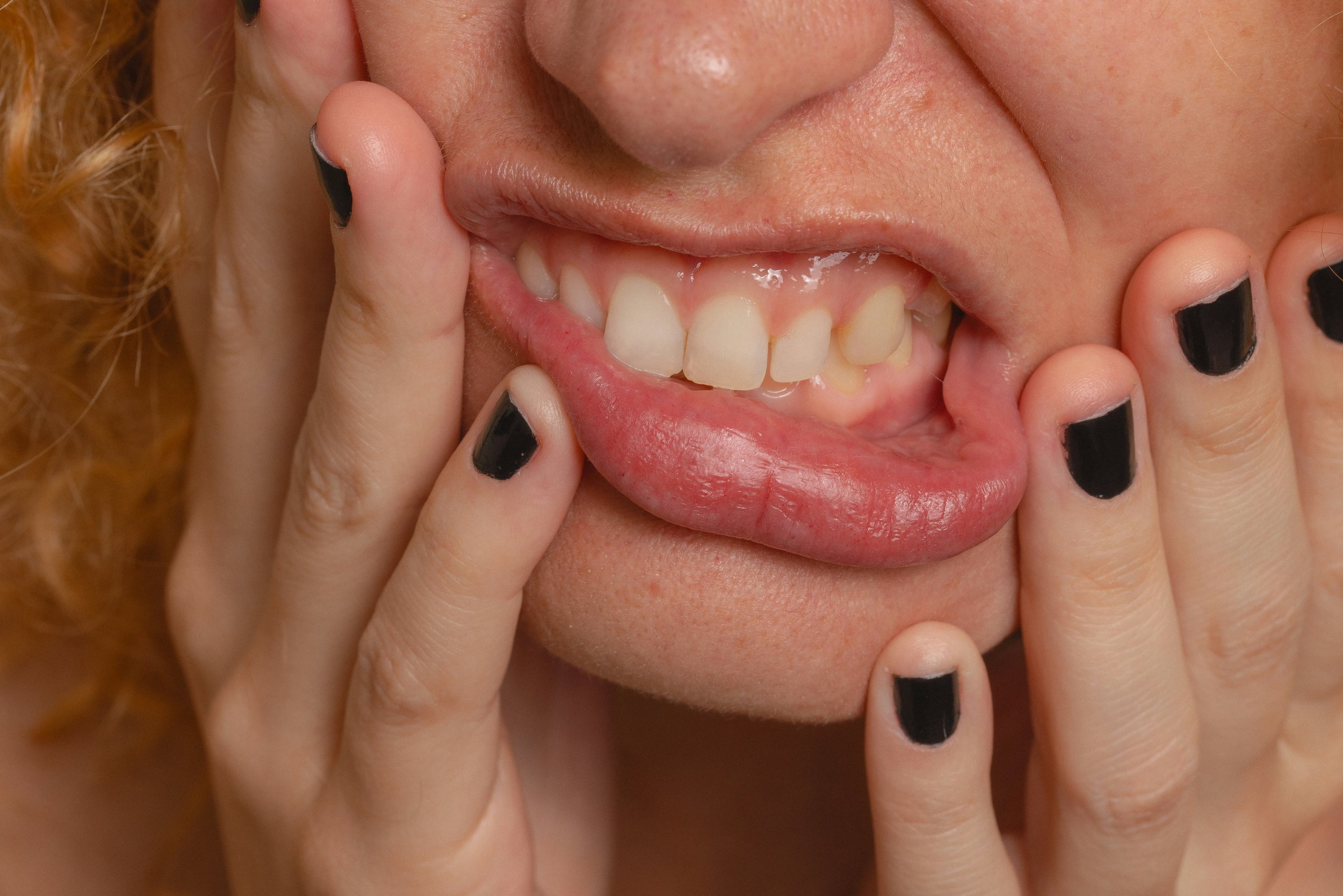
The signs of bruxism aren't always obvious. Look out for worn-down, flattened, or chipped teeth, unexplained tooth sensitivity, and jaw soreness or tightness upon waking. Many bruxism sufferers also experience frequent morning headaches centred around the temples. One of the more telling signs is discomfort or clicking in the TMJ (temporomandibular joint) — the hinge that connects your jaw to your skull. In some cases, a sleep partner may hear the grinding before you ever suspect it yourself.
What Causes It?
Stress and anxiety are the most common culprits, but bruxism can also be linked to sleep disorders like sleep apnea, certain medications, a misaligned bite, or even excess caffeine and alcohol consumption — particularly in the evening.
Solutions and Treatments
The good news is that bruxism is very manageable. The most common solution is a custom night guard, worn during sleep to protect your teeth from the pressure of grinding. Addressing stress through therapy, exercise, or relaxation techniques can also make a meaningful difference. Your dentist may also recommend bite correction, lifestyle adjustments, or in more severe cases, muscle relaxants or Botox injections to relieve jaw tension.
Finding your solution
Bruxism is treatable — but catching it early matters. If any of these signs sound familiar, your dentist is the best place to start.